Friday, December 5, 2025

Element 6- Social Action by Lesly Gonzales

 ELEMENT 6- SOCIAL ACTION 

By: Heather Avis

Illustrated by: Sarah Mensinga

Link to purchase the book: https://www.barnesandnoble.com/s/everyone%20belongs

Review link: https://www.theluckyfewpodcast.com/episodes/173-everyonebelongs


This book encourages children to understand and act on themes of social justice, showing how to create welcoming spaces and respond to prejudice through empathy and community action. There is two versions of this book by Heather Avis and both versions encourage social action by providing examples of positive behavior. One shows a community coming together to make amends for an act of racism, while this one shows to actively create an inclusive space through community wide talent show. 

I would use this book in the classroom as just fun read along. Hopefully it will shed light onto a topic that may be reliable for some kids.


Element 5 Raising Awareness by Lesly Gonzales

 ELEMENT 5 RAISING AWARENESS


By: Kristen and Benjamin Hart

Illustrated by: Daniel Wiseman 

  Link to purchase the book:https://www.barnesandnoble.com/s/the%20world%20needs%20more%20purple%20people

Review link : https://iowacitymoms.com/2021/02/18/the-world-needs-more-purple-people-a-book-review/


This book teach every young reader how to be a purple person; kind, curious and really really silly! It encourages asking questions, laughing, using one’s voice to stand up for what is right and embracing what people have in common, rather than focusing on what divides them.


I absolutely love this book so much that I read it to my kiddos every year. The activity I did with them after reading the book, was very similar to this one i found online ->


Friday, November 21, 2025

Element 3- Introduces kids to social issues

This book is about a little girl living with her mom. They've been going through some hard times recently and her mom needs a little help with groceries, so they go to a food bank. The main character sees a friend from school at the food bank and shes visibly embarrassed to be there. Eventually through kindness, they both learn that it's ok to visit a food bank and that everyone needs help sometimes. This book relates to element 3 because it introduces kids to a real social justice issue like poverty. I would use this book in the classroom as just fun read along. Hopefully it will shed light onto a topic that may be relatable for some kids in the classroom that are too embarrassed to share their own experiences and to know that it's ok to get a little bit of help sometimes  

Saturdays at the food pantry 

By: Diane O’Neill

Illustrated by: Brizida Magro

https://www.albertwhitman.com/book/saturday-at-the-food-pantry/


 Black History is for Everyone- ava cradic


This Book “The History of Juneteenth is a friendly children's book about the historical background to a holiday we all know today. This book is easy to read for kids but still discusses a huge problem people faced long ago. This book relates to this week's topic “black history is for everyone” because Juneteenth is a holiday specifically created to celebrate African American struggles, triumphs and black history as a whole  


The History of Juneteenth 

By: Arlisha Norwood

Issistated By: arlisha Norwood 

https://store.boft.org/books-and-dvds/p/the-history-of-juneteenth-a-history-book-for-new-readers


Thursday, November 13, 2025

The circles all around us

 Title: The Circles All Around Us

Author/Illustrators: Brad Montague and Kristi Montague

Purchase link: https://sweetpipes.com/product/prh097-circles-all-around-us/

Teacher Resource: https://www.teacherspayteachers.com/browse?search=circles%20all%20around%20us&gad_source=1&gad_campaignid=20319154550&gbraid=0AAAAADncKPVO4xFw_-I3mPVP8euNTAaGu&gclid=CjwKCAiAoNbIBhB5EiwAZFbYGODtjZeIjiHZxVrd1G35M5ynbXOkgJeYNhQT3E8uw8T8ZxYem5JEABoCqGMQAvD_BwE

Summary

    The Circles All Around Us is a vibrant picture book that shows how everyone is part of multiple circles of relationships, communities, and experiences. Through playful text and vibrant illustrations, the story illustrates how people, nature, and events are interconnected, and how our actions can influence the world around us. It encourages readers to recognize both small and large ways they influence others, promoting empathy, understanding, and mindfulness.

Connection to Element 5: Helping Children See Themselves as Agents of Change

    This book supports Element 5 because it encourages children to recognize the power they have to affect their communities and the people around them. By showing how all actions ripple through different circles, the story helps students see that even small choices can make a difference. It empowers children to take responsibility, make positive decisions, and contribute to meaningful change, reinforcing the idea that they are capable of shaping the world in their own ways.

Grades 4–8 Lesson Idea

    After reading “The Circles All Around Us,” students can explore the circles they are part of in their own lives, including their family, friends, school, neighborhoods, and larger communities, and reflect on how they can make a positive difference.

Activity Options:

  • Reflective Drawing/Writing: Students create a diagram of their own circles, labeling people, places, or groups they interact with, and write about how they can positively impact each circle.

  • Social Action Connection: Students identify a social issue they care about and brainstorm actions that could make a difference in their community or circle.

  • Discussion: Students share examples of figures or personal role models who positively influenced their communities, connecting the idea of circles to real-life change.

Sometimes People March


Sometimes People March
 Written and illustrated by Tessa Allen
Social Justice Element 6: Social Action

Summary:
The story of the book follows a diverse group of people, as well as all the different reasons why those people have marched in the past and may want to march for any reason in general. It shows that when people come together, they can make change, and that change can inspire others to do the same, as well as to resist injustice together and spread hope. It tells the importance of listening to others' stories as well as sharing your own to come together and stand for what is right.

Social Justice Aspect:
This book demonstrates social justice element 6 because it directly encourages children to take a stand, march for the change they want to see in the world, take action, and stand up for what is right. It ties into the social justice aspect because it identifies an issue, organizes how to handle it, and marches for it, actively protesting and protecting what is right.

Activity:
This book can be used to teach grades 3-5, and an activity I would create based on this book is that I would have my students write letters to their town or city explaining a change they want to see where they live and protesting for it. Whether that is them protesting that recycling should be more enforced where they live, or an event they think would help others, such as a food drive or donations.


Let the Children March

 Let the Children March: Clark-Robinson, Monica, Morrison ...

Let the Children March

by Monica Clark- Robinson

Illustrated by Frank Morrison


Summary:

A powerful book led by an African American girl from Birmingham, Alabama. She thought and planned of protesting for equality after heating Martin Luther King Jr. speech. Unfortuntly, the children went through a lot. It wasn't a easy protest. the police didn't hold back on them even though they were children. They were attacked by them and the police dogs. That didn't stop them from protesting for basic human rights. The books ends with Birmingham no longer being segregated.

Connection to awareness raising:

The book revolves around a POC who is protesting for their rights. This was an actual movement and issue they had in 1800's. Martin Luthers speech was the same in real life as in the book. This book showcased how Martin Luther's speech was really motivation for them and really helped everyone not fear to protest. It also shows the realism of protesting as the police didn't care if the children got hurt.

Classroom use:

Students who are in grades K-3 could really understand why it's important to protest rather then stay silent. They could learn why people had to protest for equality and all the struggle they had to go through just to be treated like everyone else. They can also learn how even though they go through a lot while protesting, in the end it's worth it because gain what they truly want.

Teacher resource here

You Are Revolutionary


You Are Revolutionary
 Written by Cindy Wang Brandt
Illustrated by Lynnor Bontigao
Social Justice Element 5: Awareness Raising

Summary:
The story of the book follows a young girl who realizes that she wants to make a change and encourages others to make a change as well. She notices unfairness in the world and wants to take action, while also encouraging others to do the same. This book helps teach children what it takes to make a change, as well as that change is possible as long as you put your mind to it. It encourages fairness and standing up for what is right, no matter what interests or circumstances a person has.

Social Justice Aspect:
This book demonstrates social justice element 5 because it directly encourages children to stand up for what is right and to encourage making positive change in the world, to put out and give into the world what they hope to see in others, and to send a positive message about the good that comes from helping others, and also acknowledging other's situations so that children are motivated to stand up for them, and to help contribute to making a change.

Activity:
This book can be used to teach grades 2-3 and an activity I would create based on this book, is that I would separate the children into small groups, and have them reflect on what they would want to change in the world, then I would have them all illustrate individual protest signs, that all demonstrate the change that each student wants to see in the world.


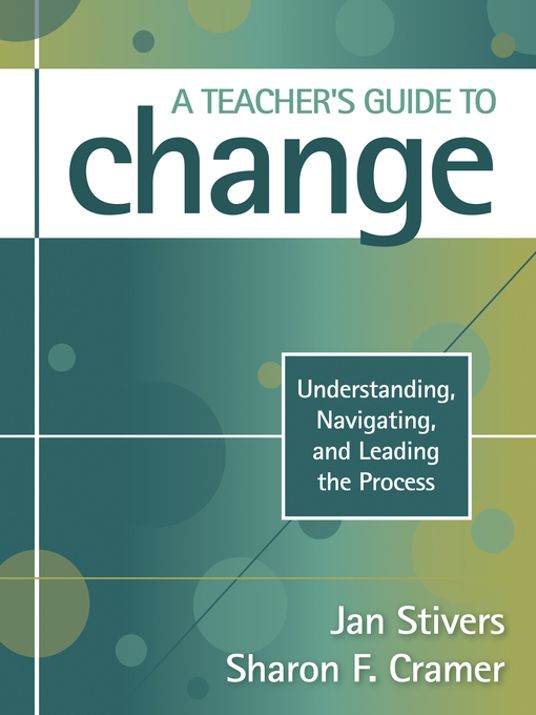
A Teacher's Guide to Change

 Book: 'A Teacher′s Guide to Change'. Cover image.


                                                            A Teacher's Guide to Change

                                                            Written by Jan Stivers and Sharon F. Cramer 

                                                            Where to Find Book

 Summary:
A Teacher’s Guide to Change is a resource for teachers in grades K–12. It teaches educators how to foster change in their schools. It includes surveys from over 100 teachers, reflections, step by step plans to implement change in and out of the classroom, and gives other resources to aid teachers. 


Element 6: Social Action

This book is Element 6 because it clearly details how teachers and students can get involved in social change, with teachers guiding their students into making meaningful changes in their communities.


Review of the Book: Here


No Voice Too Small


No Voice Too Small
Written by Lindsay H. Metcalf, Keila V. Dawson, and Jeanette Bradley
Illustrated by Jeanette Bradley
Social Justice Element 6: Social Action

Summary: 
No Voice Too Small is a compilation of poems honoring 14 young American activists who rallied for change to be made in their communities. These activists advocated for a wide variety of issues of social justice that young people across the country and beyond face, from environmental rights, like those Jasilyn Charger advocated for--believing everyone deserves clean water--to LGBTQ+ rights, racial justice, mental health matters, and more. Across the 14 instances it narrates on, it showcases youth's ability to inspire change.

Social Justice Aspect: 
This book showcases how young people are able to rally social change and social action starting with just their own unique voice and perspective. With the 14 young activists it highlights, it demonstrates precisely how and why these young people were able to inspire the social action that they did--across a broad spectrum of issues that young people experience and are impacted by. By highlighting figures like Marley Dias who, as a young African-American 6th grader, started the successful #1000BlackGirlBooks campaign for more black female protagonists in children literature, young readers are able to be emboldened to inspire the change and social action they desire in their own communities.

Classroom Use:
I think this picture book would be compelling for elementary school students from 1st through 5th grade, though the supplementary class material would need to be adjusted based on grade level. A lesson that could be based off of this book is having all the kids share a topic of social injustice they are passionate about, helping them find and research their topics as is age appropriate, and then having all the kids presenting either something they would like to do to inspire social change relevant to that topic, or what movements have taken place in the past that gives us the justice/representation/solution/etc. we have today.

Teacher Resource: 
The "Meet the Artist" worksheet included in this activity guide could be used for the lesson I described. This resource also includes other activities related to the topics in this book and teaching social action. 
  

Wednesday, November 12, 2025

Raising Awareness Through Literature: A is for Activist!

Raising Awareness Through Literature ✊

Amazon.com: A is for Activist: 9781609805395: Nagara, Innosanto: Books

A is for Activist

Written and Illustrated by Innosanto Nagara

Social Justice Element: Element Five - Helping Children see Themselves as Agents of Change

💰WHERE TO BUY💰  

Purchase A is for Activist at
booksofwonder.com


"A is for Activist" is a vibrant alphabet board book that uses each letter of the alphabet to introduce children to concepts related to activism, justice, community, environmental stewardship, and equality. Through playful rhymes and bold, colorful illustrations, the book connects simple letters with big ideas - for example, "F is for feminism, freedom, family" or "S is for solidarity, sisterhood, spouse." Along the way it invites young readers to recognize values like fairness, diversity, voice, and change making in their own lives. 


📚TEACHER REVIEW📚


👉CONNECTION TO ELEMENT 5 HELPING CHILDREN SEE THEMSELVES AS AGENTS OF CHANGE

  • Introduces young children to ideas of justice like equality, environmental care, and inclusion
  • Connects activism to everyday life using alphabet letters, rhymes, and bold illustrations
  • Shows advocacy as something kids can be a part of, not just adults
  • Encourages children to see themselves as capable of creating positive change

🤔 CLASSROOM USE IDEAS - Suggested Grades: K-2

Activity: Create an "A-Z of our Classroom Community"

  • Each student chooses a letter and a word linked to fairness, kindness, or justice
  • They draw or collage how that value appears in their school or neighborhood
  • Combine all letters into an "Alphabet of Activism" poster to display


Element 6


Title, Author, and Illustrator: The Kid’s Guide to Social Action by Barbara A. Lewis and illustrated by Steve Michaels.

Link to Purchase: https://shop.gryphonhouse.com/products/the-kids-guide-to-social-action?variant=48015431500068

Link to Teacher Resource or Review: https://school.teachingbooks.net

Label with Social Justice Element: Element 6: Taking Social Action.

Short Summary : This book is a practical how-to guide for children (upper elementary / middle grades) who wish to make a difference on social issues that matter to them. It provides real-life examples of kids engaging in social change, then walks young readers step-by-step through selecting a problem they care about, researching it, brainstorming solutions, rallying others, working with local government or media, writing letters, creating petitions, conducting surveys, and evaluating their impact. The book includes templates and “power skills” tools (for interviews, speeches, press releases) to support action. 

Explanation of How It Connects to the SJE Element: Since the SJE (Social Justice Education) element in focus is Taking Social Action, this book is a perfect match. It doesn’t just raise awareness of social issues it moves the reader toward doing something about them. It gives students the agency and the tools to engage in real civic action and really discussing the framework of this element

Classroom Use (Lesson Idea or Grade Level): Grades 4–8: After reading excerpts from The Kid’s Guide to Social Action, students can identify a local or school issue they care about (such as bullying prevention, recycling, or helping the homeless). In small groups, they’ll research the issue, create an action plan, and present it to the class. Each group will outline concrete steps they can take—like writing letters, organizing a fundraiser, or starting a petition. This project encourages real-world civic engagement and empowers students to see themselves as change-makers in their communities.

Element 5


Title, Author, and Illustrator:
Say Something by Peter H. Reynolds

Link to Purchase: https://bookshop.org/p/books/say-something-peter-h-reynolds/a520a29072887e6a?ean=9780545865036&next=t

Link to Teacher Resource or Review: https://school.teachingbooks.net/tb.cgi?tid=61891

Label with Social Justice Element: Element 5 – Raising Awareness, Taking Action

Short Summary: This book encourages children to use their voices to stand up for what they believe in. It talks about how important that even small actions or words can make a big difference, whether speaking up against injustice or sharing kindness with others.

Explanation of How It Connects to the SJE Element: Element 5 focuses on empowering students to take action for justice and fairness. Say Something teaches children that everyone’s voice matters and that silence can allow unfairness to continue. It inspires young readers to take part in positive change within their schools and communities.

Classroom Use (Lesson Idea or Grade Level): Grades K–3: After reading, students can create “Speak Up” posters illustrating one issue or idea they care about (e.g., kindness, fairness, inclusion). Display them in the classroom as a visual reminder of student voices and advocacy.

link to activity- https://assets.scholastic.ca/public/activities/pdfs/Peter-H-Reynolds-Classroom-Activity-Guide-05-23-23.pdf


Saturday, November 8, 2025

Let the Children March


Title: Let the Children March by Monica Clark-Robinson and Illustrated by Frank Morrison

Genre: Children's Literature, Historical Fiction

Grade Level: 3rd grade to 6th grade


Link to Purchase (Sparta Books)


Element 4: Social Movements and Social Change


Summary: Let the Children March by Monica Clark-Robinson gives a look into the Children's Crusade of 1963 through the eyes of a young African American girl. Dr. Martin Luther King speaks at her church, empowering African Americans, and he motivates this young girl to stand up against segregation. When the parents can't risk losing their jobs,  the children decide to march for them and against social injustice. Day after day, firefighters would hose the children down and attempt to scare them with dogs. Many children were arrested and kept under terrible conditions in jail cells where they could barely move. They continued to march for 7 days, as their efforts became known around the world. Thanks to the children's bravery in marching and the violence they underwent, President Kennedy would advocate for desegregation. 


Element 4 Representation: This book, about the movement, the Children's Crusade of 1963, represents the fourth element: social movement and social change, because it shows the children working together for the greater good, to put an end to segregation and racism. Their peaceful efforts and bravery combined impacted the world and President Kennedy, resulting in social change. 


Using This Book inside the Classroom: I would use this book in a 3rd-grade classroom, and after reading it aloud to the children, I would make it accessible for them to look back on and read in our own classroom library. I would pair this book with a writing activity, as well as provide an open discussion about the unfair treatment the children experienced as well as fostering any thoughts or questions my class may have after reading the story. The writing activity will have them look back on key components of the story and tie them into how children can still create change today. 


Additional Thoughts: This book is a great representation of key historical events that are not often as widely known, such as The Underground Railroad, Dr.King's I Have A Dream speech, or Rosa Parks sitting on the bus. It shows the children that there were also children like them fighting for change and many other people contributing to movements that were underrepresented.


Teacher Review

Teacher Resource


The Mess That We Made


Title: The Mess That We Made by Michelle Lord and Illustrated by Julia Blattman

Genre: Children's Literature, Non-Fiction

Grade Level: Kindergarten to 3rd grade


Link to Purchase (Bookworm Bookstore)


Element 3: Issues of Social Injustice


Summary: The Mess That We Made by Michelle Lord follows the negative effects of pollution and garbage flooding our oceans. A group of children is shown traveling on a small boat, observing the life that lives in our ocean waters. Alongside the turtles, seals, fish, and other ocean life that swim in their natural habitats every day, they are accompanied by plastic bags, trash, bottles, and waste. The children see firsthand how the trash is affecting sea life. A lot of the sea animals get trapped in the waste that is thrown into our oceans. It is made clear that we are the ones to blame by throwing landfill into the oceans and not acting upon it. But we are also the ones who can help reverse these negative effects by coming together, cleaning up the waste so the sea animals can live in harmony. 


Element 3 Representation: This book represents the environmental aspect of social injustices. It is a prime example of what happens when we do not recycle, properly dispose of our waste, and when we do not take care of our planet. It creates a huge mess, as the book has stated, that we as humans have made.  It demonstrates how valuable and important it is to recycle in our communities, at home, at school, and in our town. It also shows children the cruel effects that happen when we do not follow through with these environmental benefits. Animals get trapped in plastic bags, in garbage, and they often try to eat the landfill, which is not good for them at all.


Using This Book inside the Classroom: I would aim to use this book for Kindergarten to Grade 2 students, due to the book's language. It's a powerful, yet impactful way of teaching these students in these grade levels about the importance of taking care of our environment. As a teacher, I would use this book as a read-aloud, but also incorporate it in my classroom library so my students can go back and read it anytime they would like. Along with reading it aloud to the students, I will engage the students in an open discussion about what it means to them that we recycle, and ways we can help save our planet, like the people in the story cleaning up the beach together. We will also reenact what the children should do if they see trash on the street or around the school, in our classroom, the cafeteria. I will also use activities to foster the children's creativity and help them write out their impactful ideas through worksheets, coloring activities, and matching. 


Additional Thoughts: This book is a great way to introduce recycling to Kindergarteners, and the importance of what it means to be good to our planet by reducing waste, being mindful of saving water, and energy. It's also a great book to reinforce these ideas already or somewhat known to 1st graders and 2nd graders. 


Book Review

Teacher Resource


Friday, November 7, 2025


Peaceful Fights for Equal Rights

Author: Rob Sanders
Illustrator: Jared Andrew Schorr

Element 6: Social Action


Purchase Link:

https://bookshop.org/p/books/peaceful-fights-for-equal-rights-rob-sanders/d9f375b26c71e6da?ean=9781534429437&next=t

Summary 

Peaceful Fights for Equal Rights is a picture book about peaceful protests, sit-ins, and demonstrations. As they demonstrate with simple A–Z actions like “Assemble,” “Listen,” “March,” and “Vote,” the book shows that activism can be peaceful, creative, and inclusive, even for children. With bold paper-cut-out illustrations and powerful verbs, it demonstrates that social change occurs when people work together. This children's book offers a gentle, child-friendly plan for how we can all participate in movements as they work to make the world fairer and more just.

Element 6- Social Action

This book is a great example of Element 6, as it teaches children exactly how to address the issues that face their communities. Instead of just pointing out a problem, the book suggests practical, age-appropriate ways to take action, such as writing letters, creating signs and banners, marching in protest, organizing groups or demonstrations, speaking up, and spreading awareness. It presents children as powerful agents of change, demonstrating how peaceful actions can have a profound impact. It’s about doing, participating, and using your voice – which aligns with Element 6. It’s about getting students to practice the skills they will use themselves. 

Classroom Activity

The lesson objective is for students to learn what it means when people work together to effect positive change in their school. I would read this book to a 2nd–5th-grade classroom during a social justice or civics unit. Afterward, students would select a cause they care about, such as books for playgrounds, lunch options, environmental stewardship, or community kindness, and plan a small social action project using the book’s actions to write down their own idea for an A–Z project as a class. Students could produce protest signs, compose letters to the principal, launch a kindness campaign, or post short videos encouraging their classmates to support their cause. This provides students with the opportunity to practice activism in a safe and meaningful manner.

Guide with activities and lesson ideas for Peaceful Fights for Equal Rights:

https://www.robsanderswrites.com/_files/ugd/bdf277_cef1e7320a47404090188ff394d88737.pdf


All the Way to the Top: How One Girl’s Fight for Americans with Disabilities Changed Everything

Element 5 - Awareness Raising 

Author: Annette Bay Pimentel

Illustrator: Nabi H. Ali


Purchase Link:

 https://bookshop.org/p/books/all-the-way-to-the-top-how-one-girl-s-fight-for-americans-with-disabilities-changed-everything-annette-bay-pimentel/23c9011c9f9ed930?ean=9781492688976&next=t& 

Summary 

All the Way to the Top shares Jennifer Keelan-Chaffin's story of determination and perseverance, demonstrating how positive change can start with just one person. From a young age, Jennifer realized that the world is not designed to accommodate little girls in wheelchairs — school, sidewalks, and public buildings are places where, much of the time, she cannot enter or enjoy. Determined to right things, she joins disability rights activists in demanding equal access. The story builds up to the powerful moment when Jennifer pulls herself up the steps of the U.S. Capitol during the historic Capitol Crawl, pushing Congress to finally pass the Americans with Disabilities Act (ADA). Her story illustrates how the bravery of one child led to changes in laws and increased awareness that helped millions.

Element 5- Awareness Raising

With this book, children learn about barriers and their impact on life. All the Way to the Top teaches students about the Americans with Disabilities Act and why equal access is a civil right. Through Jennifer's journey, readers witness the challenges faced by people with disabilities and are encouraged to make inclusion a part of their daily lives. The Element 5 component builds empathy and understanding. It inspires students to take action, have conversations, advocate, and contribute to creating truly inclusive environments.

Classroom Activity 

I would use this book in a 2nd–4th-grade classroom as a read-aloud during a unit on fairness or inclusion. Following the readings, students could undertake an “Accessibility Awareness Walk” throughout the school to identify accessible features (ramps, elevators, wide hallways) and barriers (stairs, narrow doorways, heavy doors). Then they’d make posters to raise awareness, write letters to their principal, or record a brief public service announcement that implores people to care about the issue. This allows students to put into practice what they've learned and pass on their newfound knowledge to our school community. 

Guide with activities and lesson ideas for All the Way to the Top:

https://static1.squarespace.com/static/5e33ab3d97403e30161e7110/t/5e6497a8ad7cab40b9b9e034/1583650807755/All+the+Way+to+the+Top%3A+Educator+Guide.pdf


Separate is Never Equal


Separate is Never Equal: Sylvia Mendez and her Family's Fight for Desegregation

Author & Illustrator: Duncan Tonatiuh

Publisher: Abrams Books for Young Readers

Grade level: 2nd-5th Grade

Social Justice Element: #4 Social Movements and Social Change


Summary

Separate is Never Equal tells the true story of Sylvia Mendez, a young Mexican American girl living in California in the 1940s. When Sylvia and her brothers try to enroll in a neighborhood school, they are denied because of their Mexican heritage. Instead, they are told to attend a "Mexican school," which had fewer resources and poor conditions. Sylvia's parents refused to accept this unfair treatment and worked tirelessly to fight for equal education. Their court case, Mendez v. Westminster successfully ended school segregation in California - seven years before Brown v. Board of Education.
This story shows how one family's bravery and persistence helped create real change for children across the country. 

Social Justice Element Connection

Element #4: Social Movements and Social Change

This book is strong representation of social justice and activism. It highlights how ordinary people can stand up against discrimination and change unfair systems. Sylvia and her family faced racism and inequality but did not stay silent. They organized community support, took legal action, and demanded that all children deserve the same education. 

The story helps students see:
  • Prejudice was not just in the South during segregation - it happened everywhere.
  • Kids and families can be part of movements for fairness.
  • Social change often begins with one family or community saying "this is not right"
Teachers can use this book to help students understand that fighting injustice can be peaceful, persistent, and community-driven.

Classroom Lesson Idea

Tittle: Standing Up for Fairness: Learning from Sylvia Mendez
Book: Separate is Never Equal by Duncan Tonatiuh
Grade: 3rd Grade
Time: 45 - 60 minutes
Social Justice Focus: Social Movements and Social change

Learning Objectives

Students will:
  • Understand why Sylvia Mendez and her family fought for equal education.
  • Identify fairness vs. unfairness in everyday situations.
  • Practice speaking up respectfully when something is unfair.
Materials
  • The book Separate is Never Equal
  • Chart paper or whiteboard
  • Marker
  • "Fair/Unfair Sorting Cards" 
  • Students' reflection sheet (optional: students can write in notebooks)
Lesson Procedure

1. Warm-Up Discussion
    Ask students:
  • "Has there ever been a time when something felt unfair to you? What happened?"
  • Let 3-4 students share
2. Read Aloud (15-20 minutes)
    Read Separate is Never Equal out loud.
    Pause at key moments to ask: 
  • "How do you think Sylvia felt right now?"
  • Was this fair or unfair? Why?"
3. Class Discussion
  • Question: Why couldn't Sylvia go to the school near her house?
Purpose: Identifying discrimination
  • What did her Parents do to help?
Purpose: Highlight activism
Write students responses on a chart titled: How the Mendez Family Helped Change the World.

4. Group Activity: Fair or Unfair? Sorting Cards
    Give each group of 3-4 students a set of cards such as:
Fair: 
  • Everyone gets the same game turns
  • Students can speak in class
  • Everybody can join the art club
Unfair
  • Only some students get new books 
  • Only boys can use the playground
  • Only one group gets access to the computer lab
5. Student reflection
    This piece can be used for assessment. Students answer one of the prompts:
  • "If I saw something unfair at school, I could say or do...."
  • Sylvis and her family were brave because..."
Why this lesson supports Social Justice Element #4
    This lesson helps students:
  • Understand how people work together to change unfair systems.
  • Connect the past to their own school experiences
  • See themselves as capable of standing up for fairness. 

Why This Book Matters 
This book addresses racism, segregation, and the fight for equal education-topics that are still relevant today. It also highlights Mexican American history, which is often not represented enough in schools. This makes the story important for helping students see diverse American experiences and voices.